Core Values:
- Integrity
- Discipline
- Excellence
- Innovation
- Responsibility
- Respect
Academic Departments:
1. Building and Civil Engineering
The Department of Building and Civil Engineering equips learners with practical and theoretical skills in the design, construction, and maintenance of buildings and infrastructure. It prepares students for careers in the construction industry through hands-on training and industry-relevant programmes.
- Diploma in Civil Engineering
- Craft Certificate in Civil Engineering
- Diploma in Building Technology
- Craft Certificate in Building Technology
- Diploma in Quantity Surveying
- Craft Certificate in Quantity Surveying
Skills Acquired:
- Construction and building techniques
- Quantity surveying and cost estimation
- Site supervision and project management
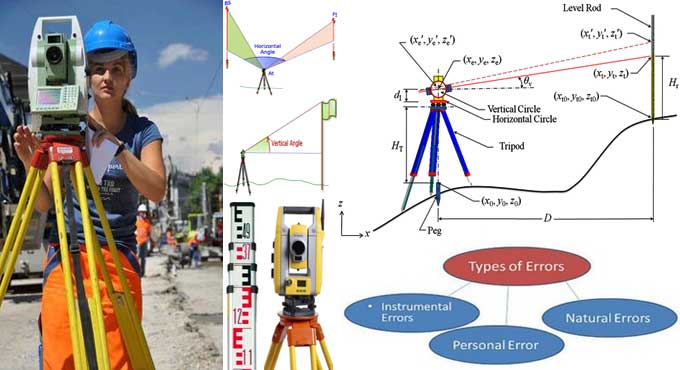
- Surveying and measurement
- Use of construction tools and equipment
2. Electrical Engineering
The Department of Electrical Engineering equips learners with knowledge and practical skills in electrical installation, maintenance, and power systems. The training prepares students to work in domestic, industrial, and commercial electrical environments.
Skills Acquired:
- Electrical installation and wiring
- Maintenance and repair of electrical systems
- Troubleshooting electrical faults
- Basic electronics and circuit design
- Safety practices in electrical work
Programmes Offered:
- Diploma in Electrical Engineering
- Craft Certificate in Electrical Engineering
- Diploma in Electrical and Electronics Engineering
- Craft Certificate in Electrical and Electronics Engineering
3. Mechanical Engineering
Mechanical Engineering focuses on the study of machines, tools, and mechanical systems. It equips learners with both theoretical knowledge and practical skills needed to design, operate, and maintain equipment used in industries such as manufacturing, automotive, and engineering services. The training prepares students for technical careers and further professional development.
Programmes Offered:
- Diploma in Mechanical Engineering
- Craft Certificate in Mechanical Engineering
- Diploma in Automotive Engineering
- Craft Certificate in Automotive Engineering
- Diploma in Welding and Fabrication
- Craft Certificate in Welding and Fabrication
Skills Acquired:
- Welding and fabrication
- Machine operation and maintenance
- Automotive servicing and repair
- Technical drawing and design
- Use of workshop tools and equipment
4. Agricultural Engineering
Agricultural Engineering focuses on the application of engineering principles in agriculture. It equips learners with practical and technical skills in farm mechanization, irrigation systems, and modern farming technologies. The training prepares students for careers in agriculture, agribusiness, and rural development.
Programmes Offered:
- Diploma in Agricultural Engineering
- Craft Certificate in Agricultural Engineering
- Diploma in Agricultural Technology
- Craft Certificate in Agricultural Technology
Skills Acquired:
- Operation and maintenance of farm machinery
- Irrigation and water management
- Soil and crop management techniques
- Farm planning and management
- Use of modern agricultural tools and equipment
Training Facilities
Rembo Technical College provides modern training facilities to support effective learning and practical skills development in all departments. These facilities ensure that students gain hands-on experience relevant to their fields of study.
Facilities Include:
- Fully equipped engineering workshops
- Electrical and electronics laboratories
- Mechanical and automotive workshops
- Building and construction workshops
- Agricultural training farm
- Computer laboratories
- Library and learning resource centre
- Classrooms with modern training equipment
Student Opportunities and Benefits
Students at Rembo Technical College benefit from a wide range of opportunities that support both academic and professional growth.
Opportunities and Benefits Include:
- Hands-on practical training in well-equipped workshops
- Industrial attachment and internship opportunities
- Exposure to real-world projects and fieldwork
- Development of technical and entrepreneurial skills
- Access to qualified and experienced instructors
- Use of modern training facilities and learning resources
- Opportunities for career growth and further education
- Preparation for employment in various industries